
R29 babes, the week begins with the moon in Aquarius harmonizing with the final days of Libra Season, and there’s something refreshingly detached about the energy. Instead of getting pulled into every emotion, opinion, or little plot twist around you, you may find it easier to observe, stay present, and think more innovatively about the life you want to create next. Aquarius energy can help us zoom out without disconnecting completely, which is useful as we close out Libra Season and prepare to enter a much deeper emotional chapter.
On October 23rd, Scorpio Season begins and lasts for the next four weeks, immediately followed by Mercury retrograde in Scorpio on the 24th. That gives the start of spooky season a distinctly nostalgic undertone. Old conversations, people, habits, desires, or mindsets may circle back, but the point is to notice how differently you respond now. Scorpio Season is already introspective, and Mercury retrograde intensifies that tendency to revisit what has been buried or unfinished. Use the past as evidence of your growth, not an invitation to repeat the same cycle.
Then on October 25th, Venus retrograde leaves Scorpio after three intense weeks of shadow work and enters Libra, where Venus feels much more at home. The final stretch of the retrograde may feel noticeably lighter, especially in relationships, creativity, beauty, and the way we relate to pleasure. There’s still reflection happening, but the tone becomes less emotionally consuming and more focused on restoring harmony, reconnecting with what feels beautiful, and remembering that growth does not have to feel heavy all the time. It’s a welcome shift as we head toward next week’s Taurus Full Moon.
Read your horoscopes for your Sun and Rising signs for the most in-depth forecast.
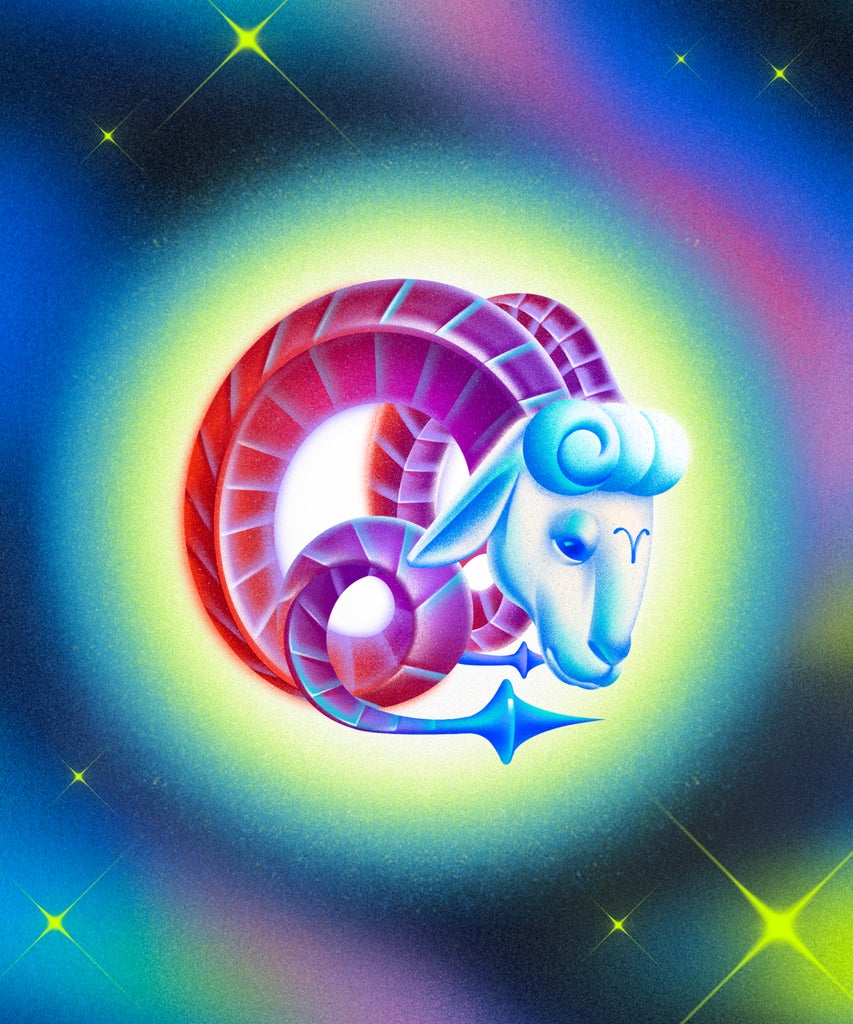
Aries Sun & Rising:
Aries, the final days of Libra Season may help you see just how much your relationship patterns have been teaching you about yourself. With Venus retrograde in Scorpio happening in the background, partnership has probably felt less like a simple question of who you want around you and more like a mirror for deeper issues around trust, control, vulnerability, and reciprocity. You may have noticed where you rush to protect your independence, where you secretly want more reassurance, or where someone else’s behavior has been activating an older wound. Then Scorpio Season begins on October 23rd and pulls you even deeper into themes of intimacy, merging, shared resources, generational wealth, and emotional commitment. You may find yourself craving more depth than usual and becoming less interested in surface-level connections or half-hearted agreements.
Mercury retrograde begins in Scorpio on October 24th, intensifying that emotional depth with a strong return-to-the-past flavor. Old financial matters, trust issues, intimate conversations, or unresolved feelings may resurface, and the point is to understand what still has unfinished business rather than immediately reacting to it. Then on October 25th, Venus retrograde shifts back into Libra and returns the focus to partnership in a softer way. After weeks of Scorpio-level intensity, you may be ready to renegotiate, reconnect, or simply approach relationships with more grace and perspective. The weekend can feel like a reminder that intimacy works best when there’s both passion and peace.
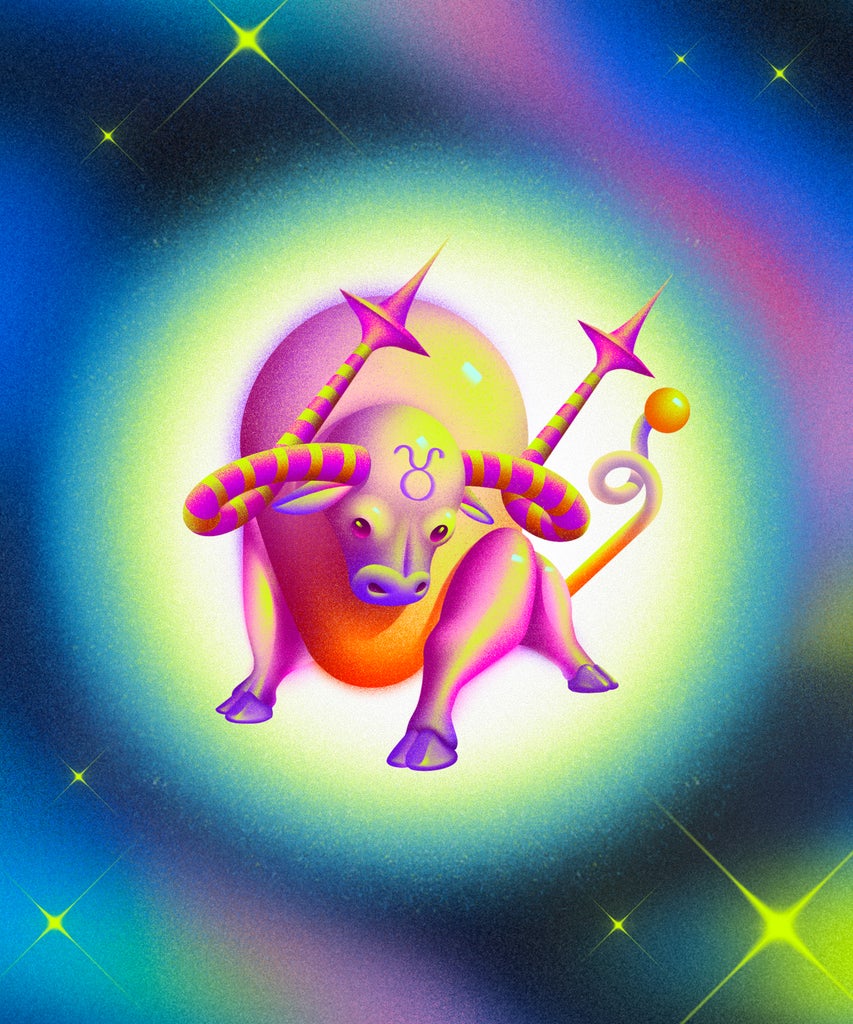
Taurus Sun & Rising:
Taurus, the final days of Libra Season may leave you thinking less about productivity and more about whether your daily life actually feels good to live inside of. With your ruler Venus retrograde in Scorpio throughout this stretch, routines, work, wellness, and boundaries may have become surprisingly emotional topics. You may have noticed how much your body reacts when a relationship feels off, how resentment creeps into your schedule, or where you have been over-functioning just to keep everything looking calm. Then Scorpio Season begins on October 23rd and turns the focus directly toward partnership, making you much more aware of who feels safe, reciprocal, and emotionally substantial enough to move forward with.
Mercury retrograde begins in Scorpio on October 24th, adding a strong review period around relationships, agreements, and conversations that may not have been fully resolved the first time. Someone from the past could resurface, or a current connection may need a second conversation with more honesty than before. Then on October 25th, Venus retrograde leaves Scorpio and returns to Libra, which may feel like a small exhale for you. The focus shifts back toward restoring balance in your routines and taking better care of your physical and emotional well-being, so by the weekend you may care less about figuring everyone else out and more about getting yourself back into alignment.
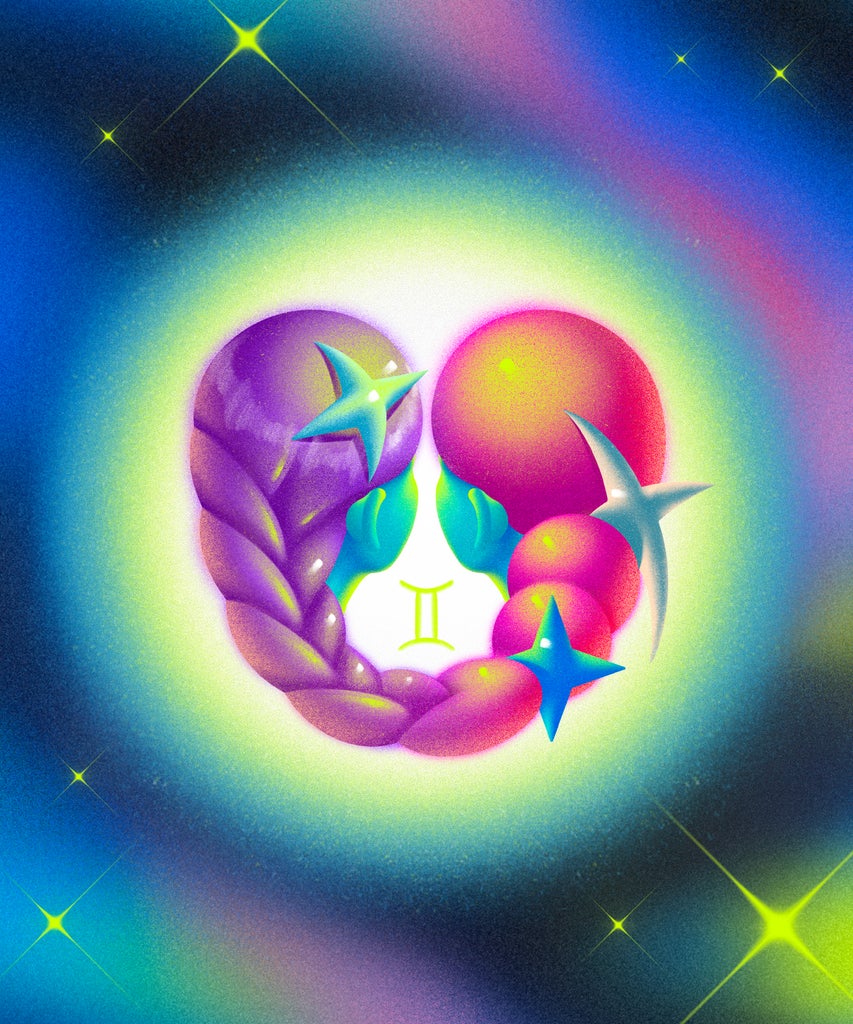
Gemini Sun & Rising:
Gemini, the final days of Libra Season may remind you that pleasure is not supposed to become another task you optimize. Over the past few weeks, your romance, creativity, fun, and inner-child sector has been activated while Venus retrograded through Scorpio in the background, which may have made joy feel oddly entangled with work, health, responsibility, or emotional cleanup. You may have noticed that even when something exciting was happening, part of your brain was still making a spreadsheet about it. Then Scorpio Season begins on October 23rd and shifts your attention toward your routines, wellness, and daily responsibilities, encouraging you to take your energy more seriously and notice where your schedule has been helping or draining you.
Mercury, your ruler, stations retrograde in Scorpio on October 24th, so work patterns, health habits, unfinished tasks, or old responsibilities may need another pass before you can fully move forward. You could realize that a problem you thought was logistical is actually rooted in resentment, avoidance, or simple exhaustion. Then the week ends with Venus retrograde shifting into Libra, lightening the mood and redirecting some of your attention toward romance, creativity, and pleasure again. After all that Scorpio intensity, this can feel like the universe handing you back a little glitter and saying: “please remember you’re allowed to enjoy your life too.”
Cancer Sun & Rising:
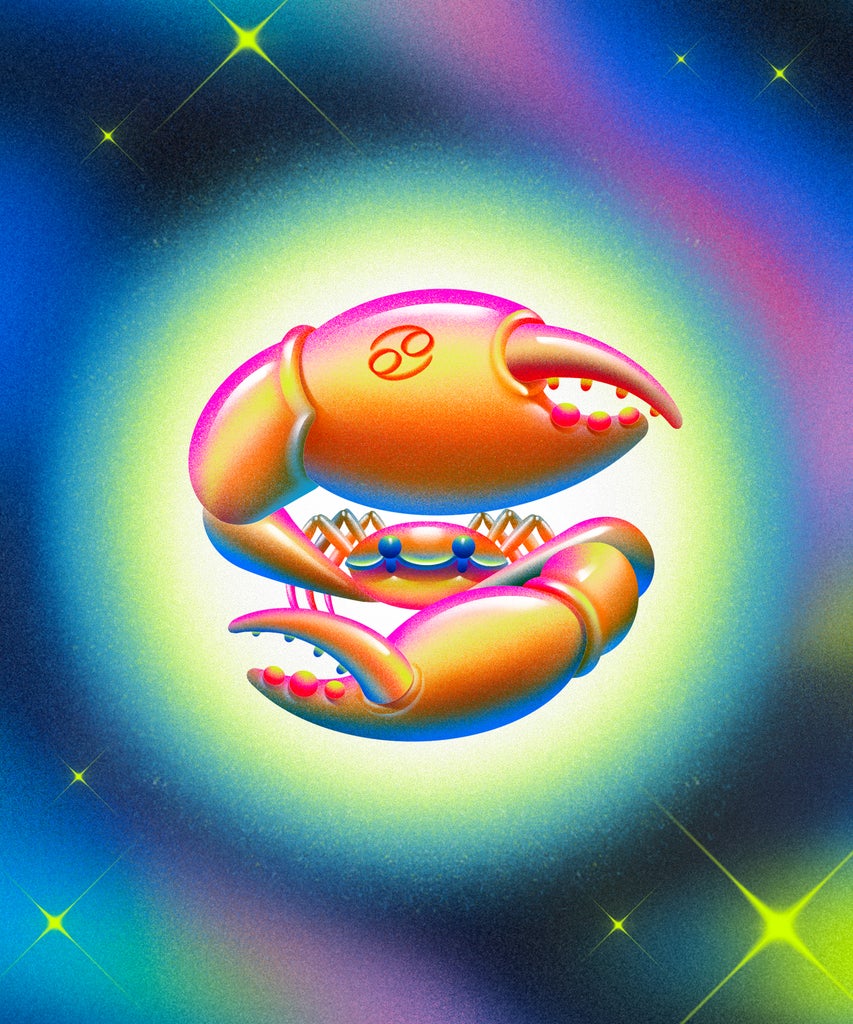
Cancer, the final days of Libra Season may help you see your home and emotional life with a little more honesty than usual. While Venus has been retrograde in Scorpio, questions around romance, pleasure, creativity, and emotional vulnerability may have quietly influenced the way you’ve been relating to family, privacy, and what “safe” really means. You may have noticed that certain people or environments bring out a more guarded version of you, while others make it easier to relax and feel like yourself. Then Scorpio Season begins on October 23rd and shifts the focus toward romance, creativity, pleasure, and inner-child healing, making the next few weeks feel more emotionally vivid and personally expressive.
Mercury retrograde begins in Scorpio on October 24th, adding a nostalgic layer to that part of your chart. An old crush, creative project, hobby, or desire may come back into focus, and you may find yourself asking why it mattered so much in the first place. Then the week ends with Venus retrograde shifting into Libra, redirecting your attention toward home, family, and emotional balance. After a week of digging through your heart a little, you may feel ready to make your private world softer, calmer, and more supportive of the version of you that’s trying to emerge.
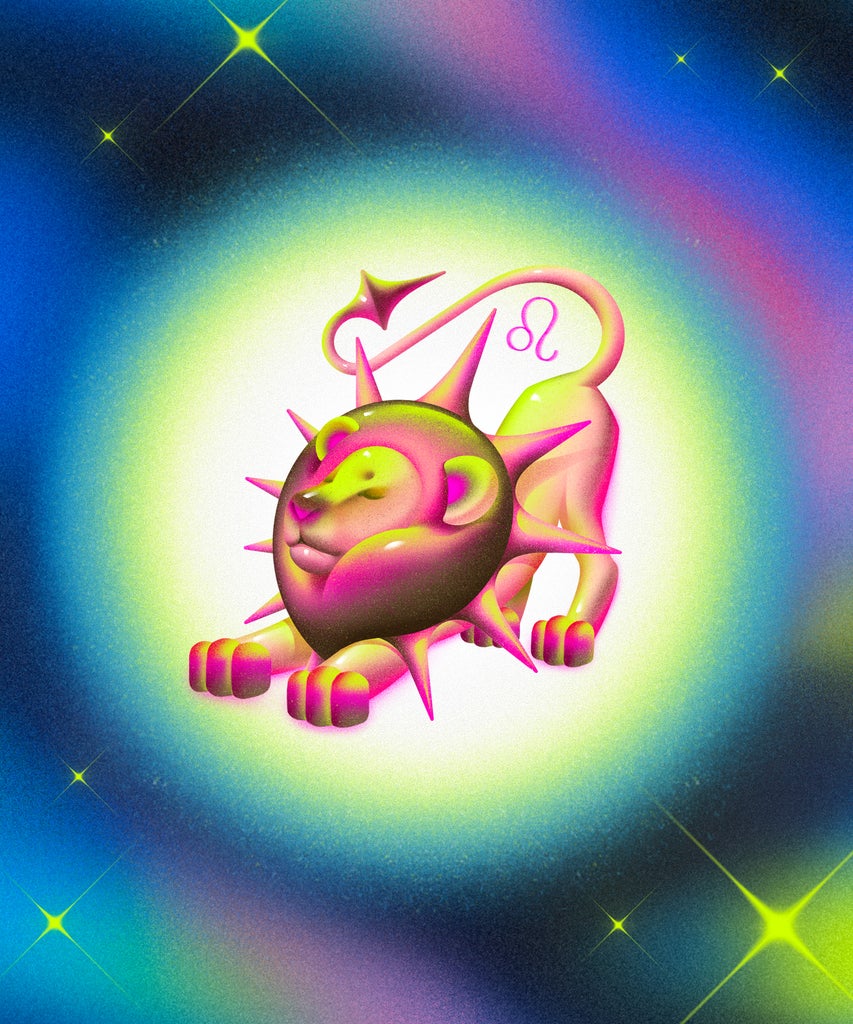
Leo Sun & Rising:
Leo, the final days of Libra Season may show you just how much your environment and conversations have been shaping your mood lately. With Venus retrograde in Scorpio working through your home, family, and emotional-foundation zone, even casual exchanges may have felt more loaded than usual, especially if there were unspoken tensions underneath them. You may have learned that keeping the peace is not always the same thing as feeling at peace. Then Scorpio Season begins on October 23rd and pulls your attention inward, toward home, roots, privacy, and the parts of your life that need more protection, repair, or emotional honesty.
Mercury retrograde begins in Scorpio on October 24th, so old family conversations, living situations, memories, or private concerns may come back around for another look. This is less about getting dragged backward and more about understanding what still has a hold on you. Then the week ends with Venus retrograde shifting into Libra, lightening the emotional atmosphere and bringing more ease to communication, socializing, and your immediate surroundings. You may find it easier to say what you mean without turning every conversation into a courtroom drama, which, frankly, is a gift.
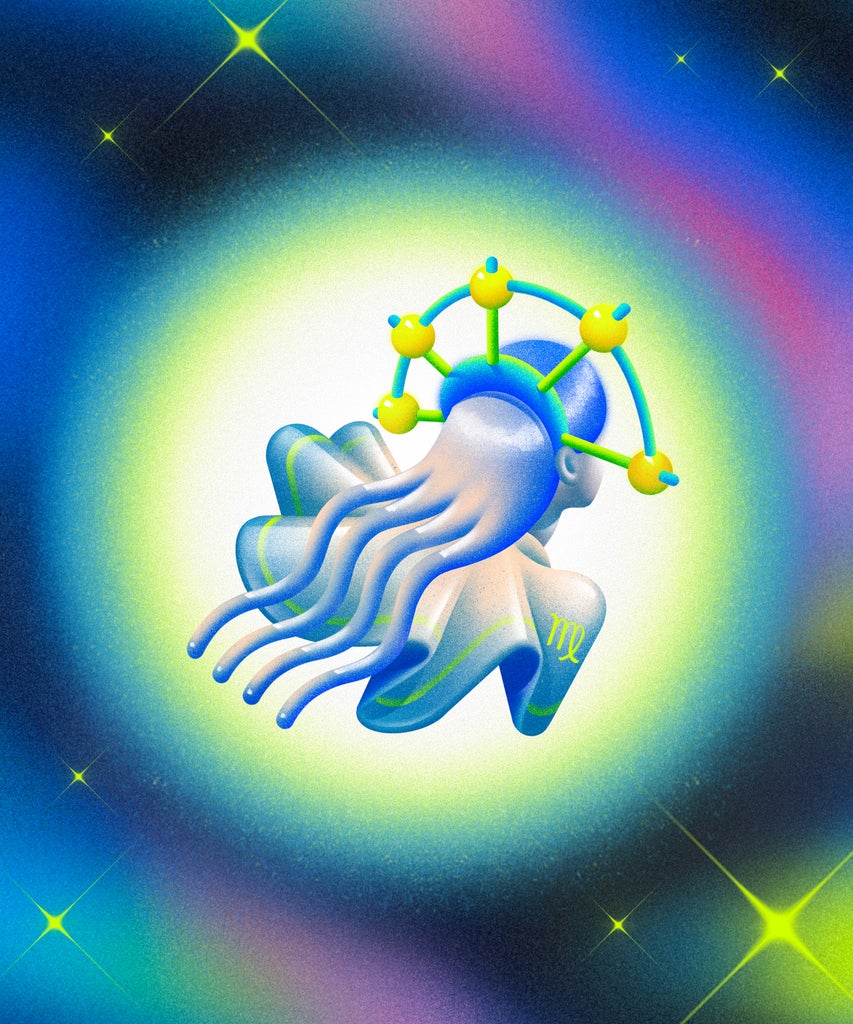
Virgo Sun & Rising:
Virgo, the final days of Libra Season may leave you thinking differently about what actually makes you feel secure. Over the past few weeks, money, self-worth, and personal values have been highlighted while Venus retrograde in Scorpio stirred deeper questions around communication and the stories you tell yourself. You may have realized that some of your financial stress is tied to mental habits just as much as numbers, or that you have been undervaluing your time because you are too used to being the dependable one. Then Scorpio Season begins on October 23rd and shifts the focus more directly toward your mind, voice, learning, and immediate environment.
Mercury, your ruler, stations retrograde in Scorpio on October 24th, so conversations, paperwork, plans, or old thought patterns may need another round of attention. Something you said, heard, or decided earlier could look very different once you revisit it with more context. Then the week ends with Venus retrograde shifting into Libra, bringing the focus back toward money, pleasure, and self-worth in a softer way. You may feel more ready to reassess what is actually worth your time, your effort, and your coins — because being responsible doesn’t require permanently choosing the least enjoyable option.
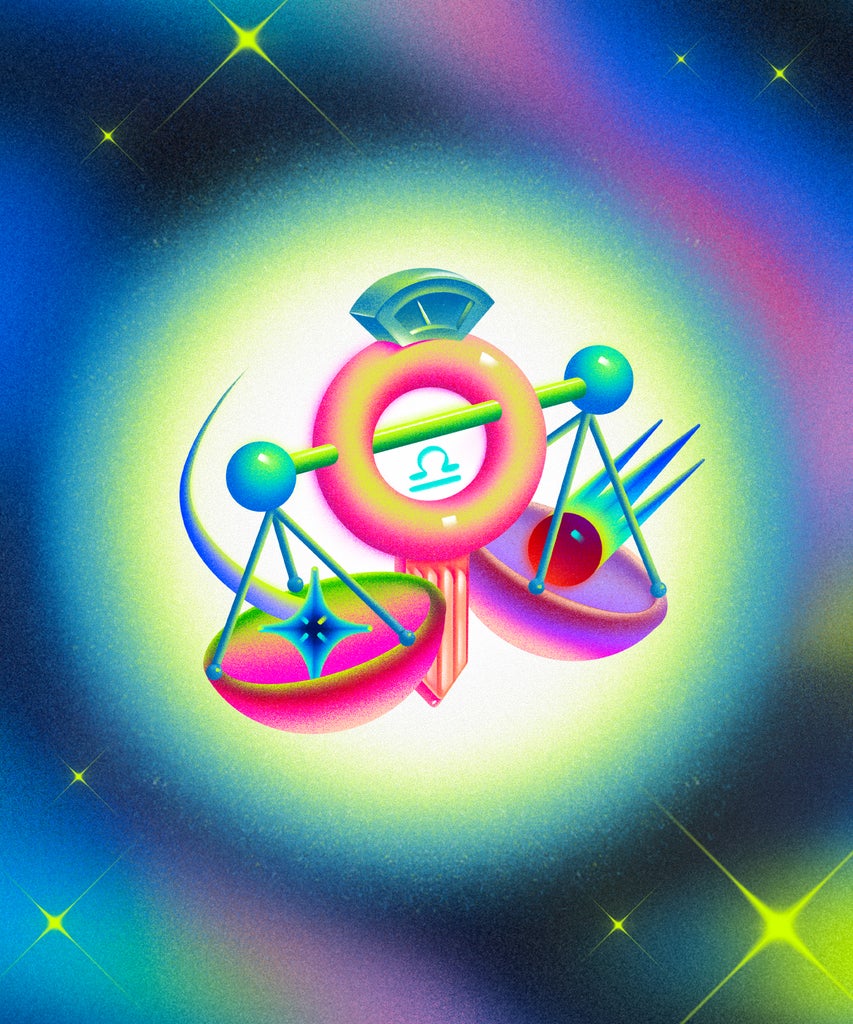
Libra Sun & Rising:
Libra, the final days of your season may feel less like a victory lap and more like a quiet audit of what this past month actually taught you about yourself. With Venus retrograde in Scorpio putting pressure on money, self-worth, and security, your birthday season may have come with more reflection than usual around what you value, what you spend, and where you still look outside yourself for reassurance. You may be ending Libra Season with a clearer sense of which comforts genuinely support you and which ones have been disguising insecurity. Then Scorpio Season begins on October 23rd and shifts the spotlight more directly toward finances, resources, and the deeper question of what makes you feel materially and emotionally secure.
Mercury retrograde begins in Scorpio on October 24th, so old money decisions, pricing questions, purchases, or self-worth narratives may need another look before you move ahead. Then the week ends with Venus retrograde shifting into your sign, which changes the tone considerably. You may become more reflective about appearance, attraction, relationships, and how you want to present yourself, but there’s also something much softer about having your ruler back in Libra territory. Think of it as a chance to refine rather than reinvent: you may not need a whole new identity, just a more honest relationship with the one you already have.
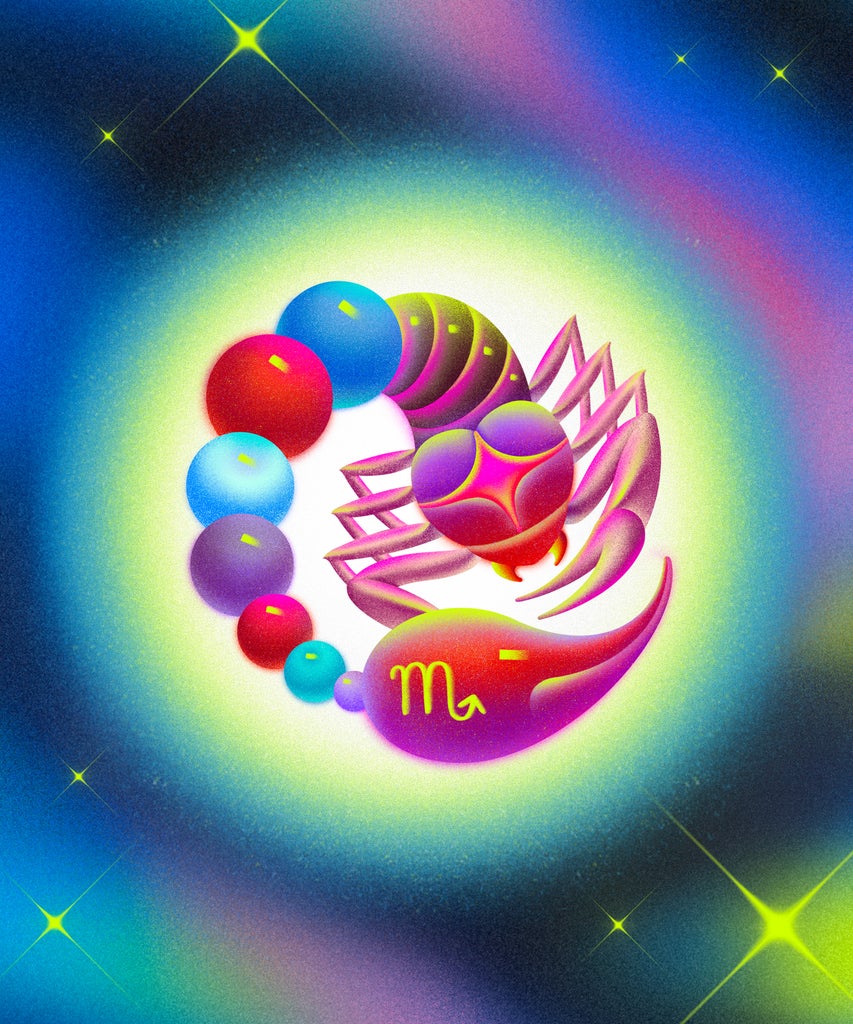
Scorpio Sun & Rising:
Scorpio, this week has phoenix-rising-from-the-ashes energy written all over it. The final days of Libra Season may have felt like a strange in-between chapter, especially with Venus retrograde moving through your sign and forcing you to confront what you still want, what you have outgrown, and which version of yourself you are no longer interested in carrying forward. Then on October 23rd, the sun enters your sign, officially beginning your solar season. In a Fire Horse year and a 1 year in numerology, there’s something especially potent about this birthday season feeling like a true restart. Even with retrogrades swirling around you, you may feel more alive, more determined, and more willing to reclaim parts of yourself that got buried beneath the emotional heaviness of the past few weeks.
Then Mercury stations retrograde in Scorpio on October 24th, adding an interesting twist to this rebirth: the fresh start may come through remembering rather than rushing forward. Old ideas, conversations, ambitions, or versions of yourself may resurface and show you how much has changed since you first wanted them. You may realize that something you abandoned deserves another chance, or that a past identity no longer has enough power to pull you backward. And then the week ends with Venus retrograde shifting into Libra, moving some of the emotional processing into a more private, subconscious space. The spotlight is officially on you now, but part of your transformation is learning that you don’t have to drag every old wound onto the stage with you.
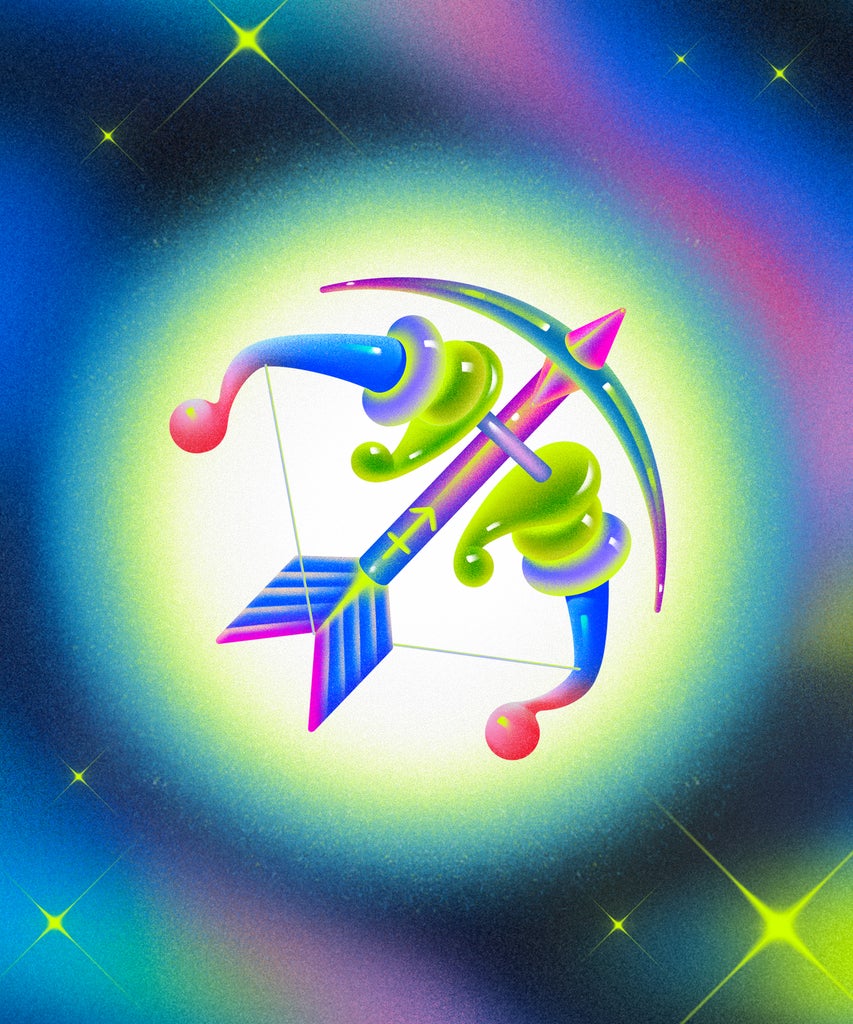
Sagittarius Sun & Rising:
Sagittarius, the final days of Libra Season may leave you thinking more seriously about who still belongs in the future you’re building. Over the past few weeks, friendships, collaborations, and long-term goals have been highlighted while Venus retrograde in Scorpio quietly pulled you inward, making you more selective about where your energy goes. You may have realized that some social connections are inspiring you forward while others keep pulling you into old emotional patterns. Then Scorpio Season begins on October 23rd and shifts the mood into a much more private chapter, asking you to protect your energy, rest more intentionally, and make space for whatever’s been trying to surface beneath the noise.
Mercury stations retrograde in Scorpio on October 24th, and instead of simply making you “more introspective,” it may feel like your subconscious starts leaving little breadcrumbs everywhere. Dreams, memories, old fears, unfinished creative ideas, or even people you have not thought about in a while could start resurfacing with suspiciously good timing. Pay attention to what keeps returning; there may be something there worth understanding before you rush into your next big move. Then the week ends with Venus retrograde shifting into Libra, which can make the social energy feel lighter again and bring old friends, communities, or collaborations back into view. The vibe is less disappearing completely and more choosing your circle with much better discernment.
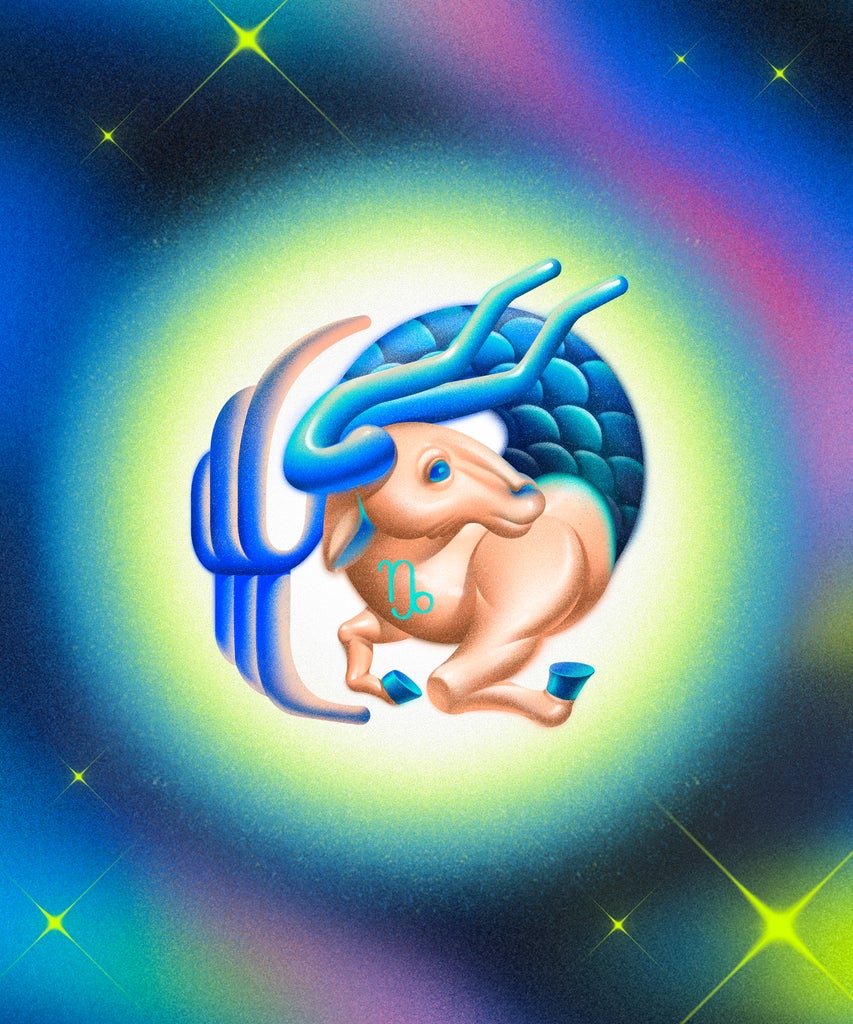
Capricorn Sun & Rising:
Capricorn, the final days of Libra Season may clarify which ambitions still feel worth the climb and which ones were built around someone else’s definition of success. Over the past few weeks, your career and public image have been highlighted while Venus retrograde in Scorpio quietly complicated the social side of things, making you more aware of who supports you, who competes with you, and which professional relationships actually feel reciprocal. Then Scorpio Season begins on October 23rd and shifts your attention toward friendship, community, collaboration, and the future you’re trying to build beyond your résumé.
Mercury stations retrograde in Scorpio on October 24th, and this can make your social world feel like a reunion episode with unfinished plotlines. Old friends, former collaborators, abandoned goals, or group dynamics may resurface, but the interesting part is seeing them through the eyes of the person you are now. You may realize that a dream you once shelved still has life in it, or that a connection you thought was over simply needed different boundaries. Then the week ends with Venus retrograde shifting into Libra, bringing your career and visibility back into focus with a softer edge. You may feel ready to refine how you present yourself professionally and choose opportunities that feel aligned with both your ambition and your peace.
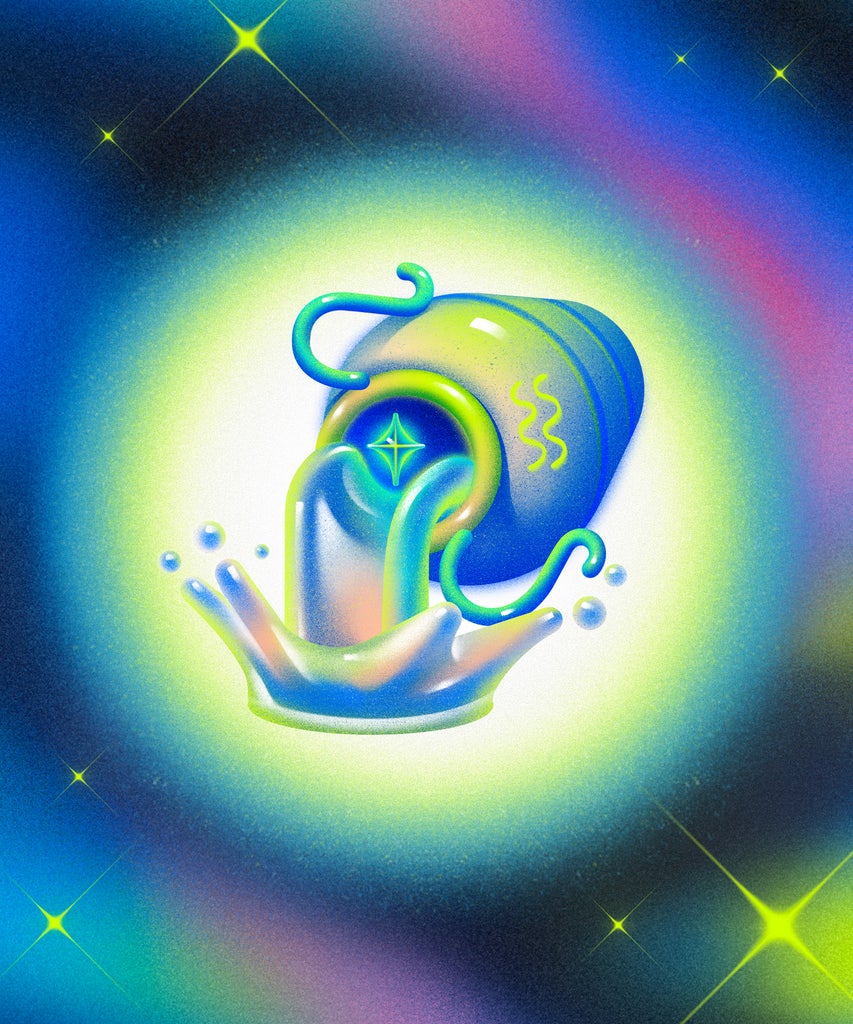
Aquarius Sun & Rising:
Aquarius, the final days of Libra Season may help you see which beliefs, ambitions, or bigger-life plans still genuinely excite you and which ones you’ve simply been carrying out of habit. Over the past few weeks, travel, spirituality, and your broader worldview have been highlighted while Venus retrograde in Scorpio quietly stirred your career and reputation sector. You may have been asking bigger questions about whether the path you’re on actually reflects the person you’re becoming. Then Scorpio Season begins on October 23rd and turns the spotlight toward visibility, ambition, and the legacy you want to build.
Mercury stations retrograde in Scorpio on October 24th, but rather than just repeating the same career themes, this can feel like an opportunity to revise the story people know you by. An old professional idea, former collaborator, past ambition, or unfinished public project may come back into circulation, and you may suddenly understand how it could be approached differently now. Then the week ends with Venus retrograde shifting into Libra, bringing a little more air and perspective back into the picture. You may feel ready to reconnect with travel, learning, or a wider vision of your future, which can be exactly what helps you remember why you’re working so hard in the first place.
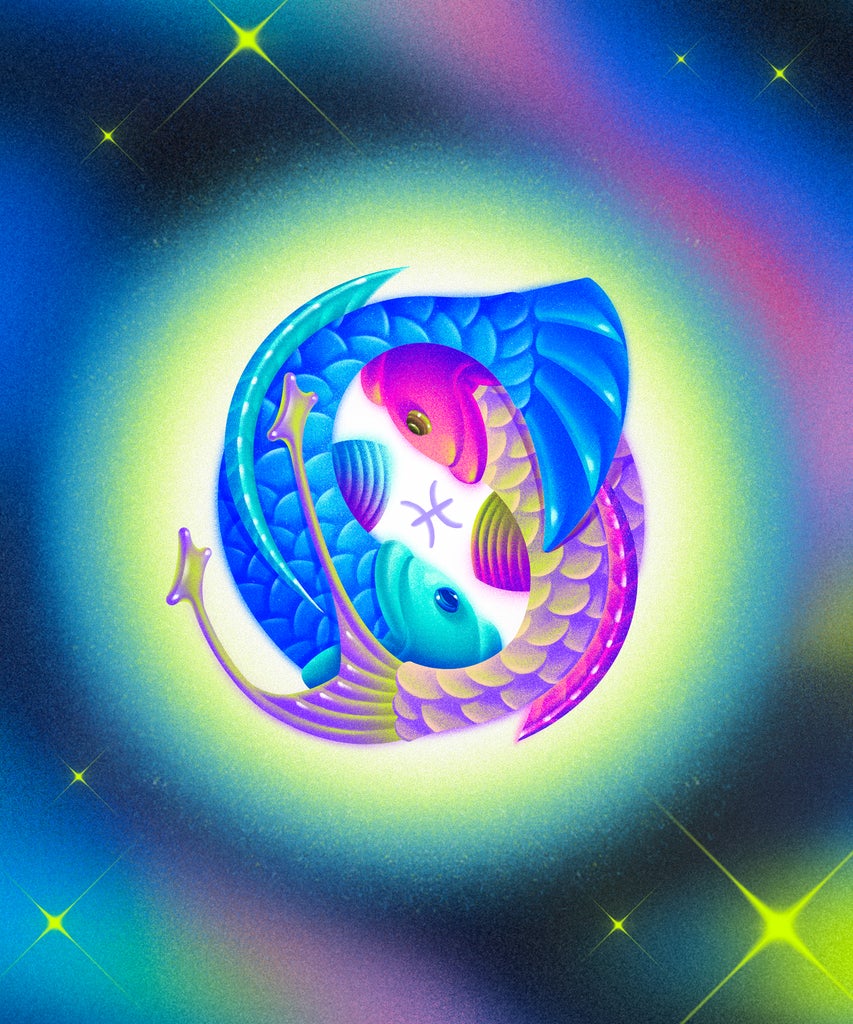
Pisces Sun & Rising:
Pisces, the final days of Libra Season may leave you with a clearer sense of what intimacy, trust, and emotional reciprocity actually require from you now. Over the past few weeks, shared resources, merging, vulnerability, and deeper emotional bonds have been highlighted while Venus retrograde in Scorpio kept pulling bigger questions about meaning, faith, travel, and your future into the background. You may have realized that who you trust is closely connected to what you believe about yourself and where your life is headed. Then Scorpio Season begins on October 23rd and shifts the focus toward expansion, perspective, education, spirituality, and experiences that help you feel more connected to something larger than your current circumstances.
Mercury stations retrograde in Scorpio on October 24th, and this may feel less like “going backward” and more like reopening a door you were too busy or uncertain to walk through the first time. An old travel plan, course of study, spiritual practice, or long-distance connection could return with new relevance, especially if it still feels unfinished. Then the week ends with Venus retrograde shifting into Libra, bringing your attention back toward intimacy, trust, and shared resources in a softer, more balanced way. You may feel ready to have honest conversations about what you need from others and what you’re genuinely willing to share in return.
Like what you see? How about some more R29 goodness, right here?
Venus Retrograde In Scorpio & Libra Is Here
Your October Horoscope Is Here
from Refinery29 https://ift.tt/XJQhTM9
via IFTTT


Follow Us
Were this world an endless plain, and by sailing eastward we could for ever reach new distances