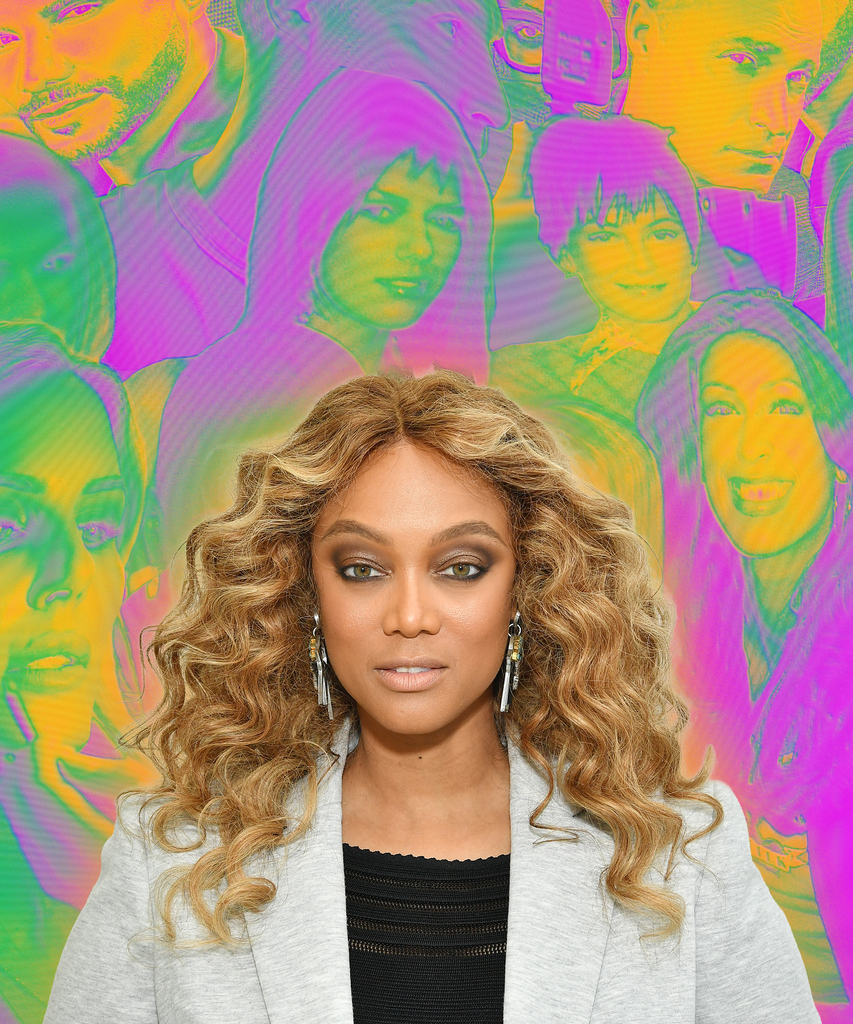
Over the last few days, the social media firing squad has been aimed at Tyra Banks and the producers behind America’s Next Top Model, the cultural phenomenon of a reality show that aired from 2003 to 2018 and spawned dozens of international spinoffs. Reality Check: Inside America’s Next Top Model is proof that the more things change, the more they stay the same.
The Netflix docuseries, which premiered on February 11, featured firsthand accounts from models, including Ebony Haith (Cycle 1), Shandi Sullivan (Cycle 2) and Danielle Evans (Cycle 6) as well as judges Jay Manuel, J. Alexander and Nigel Barker. Through three episodes, viewers get a firsthand look at the exploitative conditions contestants were subjected to each cycle. That included extreme makeovers using plastic surgery and dental work, blackface and racist stereotypes as photoshoot themes and a sexual assault that was intentionally caught on film. Banks and former ANTM executive producer Ken Mok, who both served as executive producers for Reality Check, were also interviewed.
For 24 cycles, Banks was able to bully women into becoming the American ideal standard of what the “ideal woman” was at that time. And for millennials who were coming of age at the height of the show, it was not only appointment television; it was a rubric for how to become worthy of adoration.
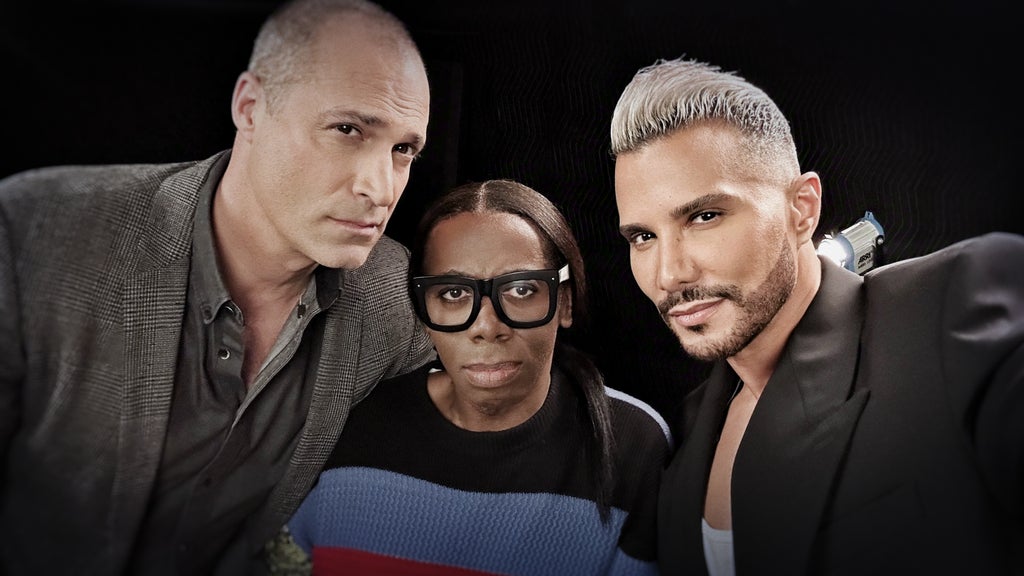
ANTM was one of the first times millennials witnessed hyperfemininity politics on display in the media through a reality show competition. As a little Black girl from the Midwest, watching the women who looked like me on the show further ingrained a conditioning that was already at play: that, to the world, I could only be beautiful with conditions. With Reality Check, flashbacks of Ebony’s gorgeous skin being called dull and ashy came rushing to the forefront. Danielle Evans being pressured to close her gap influenced me to want braces (thank you for not acquiescing, mom). Watching judges dismiss the concerns of Tocarra Jones (Cycle 3), a full-figured woman from my hometown who I grew up looking up to, injured my confidence as I grew into my own curves.
Banks skirts accountability in an astonishingly delusional manner throughout the docuseries.
And as a child, I was convinced Black girls couldn’t show their hurt like Tiffany Richardson (Cycle 4) did, lest be seen as aggressive, ungrateful and undeserving.
“It was very, very intense but you guys were demanding it, and so we kept pushing more and more and more,” Banks said in Reality Check.
Banks skirts accountability in an astonishingly delusional manner throughout the docuseries. The trauma this show left with these women — especially the sexual assault of Shandi, which the documentary doesn’t name as such — was real, and Banks is to blame. At the same time, there’s some validity in her statement that we can’t ignore. No, viewers didn’t force Banks to exploit these women, and much of the trauma they were subjected to has come into perspective only recently, but the buck doesn’t stop with Banks or this show.
ANTM wasn’t just a look into the exploitative extremes models experienced behind the scenes. It held a mirror up to the homogenous beauty standards that Americans celebrated in the early to mid aughts. The message was resounding: thin and white was right. And if you were a woman of color, you better adapt quickly if you want to get anywhere.
As we sit firmly in 2026, it’s clear how wrong Banks and the producers were in their abuse of power. But what’s being overlooked is that history is repeating itself right before our eyes.
ANTM wasn’t just a look into the exploitative extremes models experienced behind the scenes. It held a mirror up to the homogenous beauty standards that Americans celebrated in the early to mid aughts.
With social media, there’s an insurmountable pressure that comes with showing up as your best. And unlike in 2003, the feedback is in real time. With a growing amount of content creators and influencers relying on social media platforms for their livelihoods, it takes more time, energy and money than ever before to keep up with appearances. For many, that’s the difference between economic stability or missing out on opportunities.
Body positivity feels like a thing of the past as the idea of thinness reemerges as a status symbol and the demand for cosmetic procedures for younger groups increases. Doctors and marketers push GLP-1s on any and everyone regardless of clinical need. And Sydney Sweeney’s “great jeans” American Eagle ad feels in conversation with Mike Tyson’s fat shaming Super Bowl ad funded by Make America Healthy Again.
In addition, the needle hasn’t moved much on Black women being labeled “aggressive” and facing microaggressions and outright racism on and off screen. Even in the show “The Traitors,” Black contestants are given far less grace to prove themselves as “faithfuls” due to stereotypes being used as evidence of their integrity.
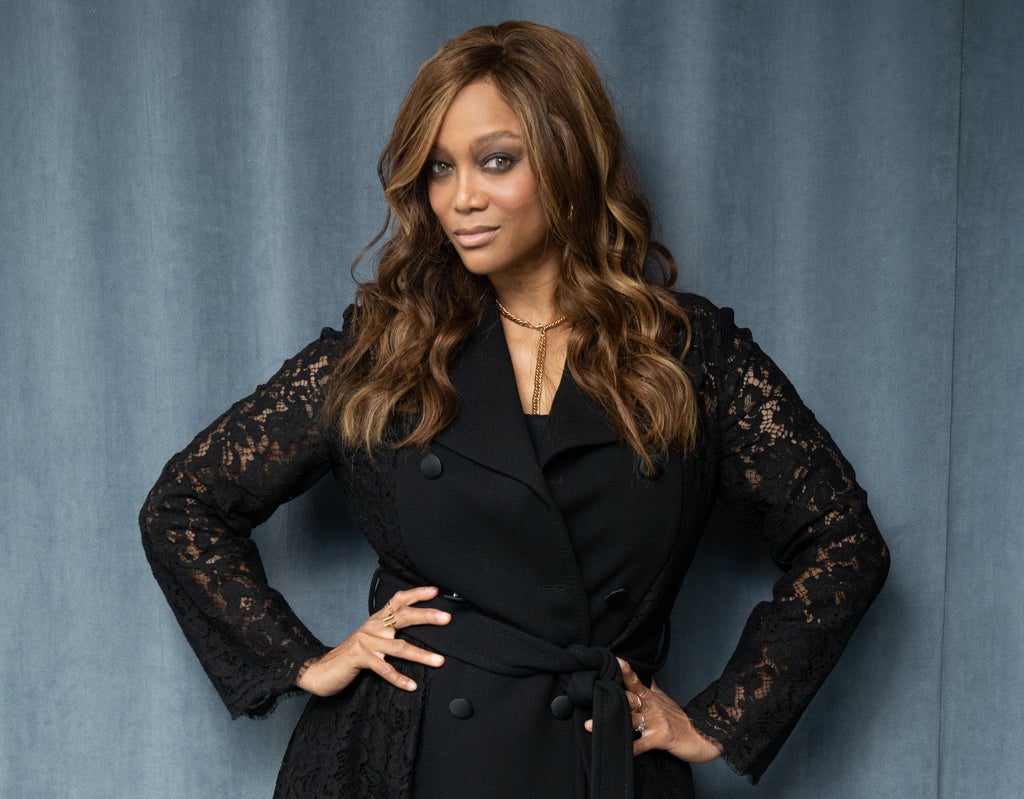
So many of us who watched ANTM growing up have done work to divorce ourselves from the limiting beliefs that the show and others instilled in us growing up. (For me, that looked like embracing my curves and natural hair.) But witnessing progressive ideas of beauty disappear in media while it simultaneously shames Banks feels a bit hypocritical.
It’s frustrating to see Banks refuse to take accountability for her wrongdoings and have the nerve to tease a Cycle 25 that may go to less extremes but will be likely to fall into old patterns. But what’s also true is that she is the perfect scapegoat for this moment to keep us comfortable in repeating the same mistakes. There’s a regressiveness happening that we can’t ignore. Today, it’s a reality check that our favorite show perpetuated the same system it said it wanted to change. Tomorrow it’s something far more sinister.
Like what you see? How about some more R29 goodness, right here?
These Black Women Went Into Debt For The Soft Life
The Big Problem With The "New" <em>ANTM</em>
The Rise Of AI Makes Me Ashamed Of My Features
from Refinery29 https://ift.tt/TDkJgUa
via IFTTT

