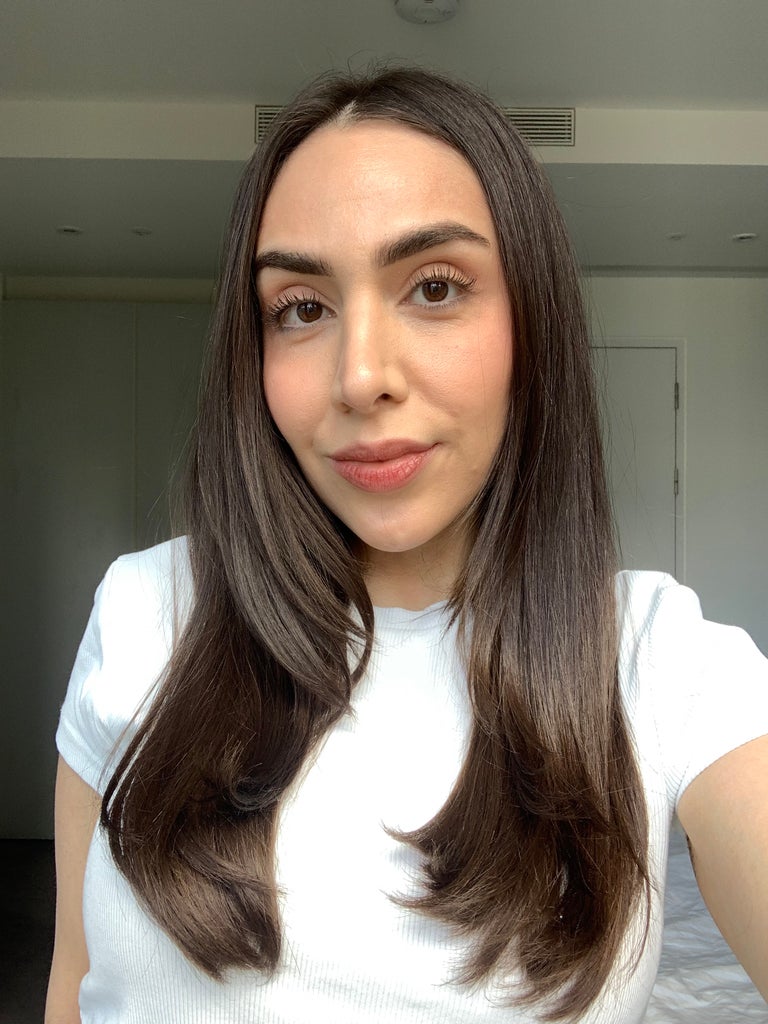
As the adage goes, you only miss something when it’s gone — and that couldn’t have been more accurate than when I cut my hair into a bob a few years back. Don’t get me wrong, I loved my various crops, from the “Italian” bob to the “boyfriend” bob. Still, I missed the ease and versatility of long hair, which set me off on the journey of growing it out again.
Three months in, it felt like my hair hadn’t grown a millimeter, and an appointment with a trichologist revealed seborrheic dermatitis — an inflammatory skin condition that can leave the scalp itchy and flaky. We agreed that the best course of action was to wash my hair more often and switch out my current products. That was important; I’d been trialing a so-called “clean” hair care brand that avoided ingredients like sulfates and silicones, having heard a few rumors about their effects (more on that later). But it turns out that a good hair care routine doesn’t demonize certain ingredients; it embraces them.
Here’s everything I learned about how to achieve healthier, stronger hair after speaking with two top trichologists — and why many ingredients we’re told to avoid may actually be more helpful than harmful.
Are sulfates or SLS bad for your hair and scalp?
First up: sulfates. The “clean” beauty movement hasn’t done them any favors — though their bad reputation is mostly undeserved. Dr. Sharon Wong, a dermatologist, hair specialist, and cofounder of DOSE, explains that sulfates are highly effective at lifting away product build-up, oil, and dirt. When that build-up lingers, it can lead to scalp inflammation and irritation. The shampoo I was using previously didn’t list any sulfates — specifically sodium lauryl sulfate (SLS), a very common surfactant that helps shampoo lather — and I suspect skipping it contributed to my aggravated scalp. More importantly, a clean scalp supports healthier hair growth, as build-up can clog hair follicles.
But here’s the thing: Dr. Wong explains that because sulfates have a “de-greasing” effect, some people find they can dry out both hair and scalp. “This is especially true for those with dry or textured hair types, and in color-treated hair, sulphates can lead to more rapid color fading,” says Dr. Wong.
While many people don’t tend to experience issues with sulfates — and my own hair looks and feels its best when I use them — they’ve been painted with a broad brush. Some formulas can be harsher, particularly for sensitive or reactive skin, but they’re not all the same, and the levels used in most shampoos are typically very minimal.
If you do react to sulfates, Dr. Wong suggests choosing gentler ones, since they’re still essential for cleansing. “Consider sodium coco-sulfate, which is derived from coconut oil and is generally less stripping,” says Dr. Wong. She also notes that plant-derived sulfate-free surfactants, such as decyl glucoside, exist in some hair products, but they don’t lather as well and may not be as effective at cleaning the scalp.
I love Dove Beauty Intensive Repair Hair Shampoo, which features sodium c12-13 pareth sulfate, a gentler sulfate that still cleanses effectively — my hair always feels soft, strong, and glossy. Another favorite is L’Oréal Elvive Hyaluron Plump Hydrating Shampoo, which cleanses deeply without stripping and boosts shine thanks to hyaluronic acid. If you have more to spend, try Redken Extreme Length Shampoo For Longer, Stronger Hair, with sodium laureth sulfate, which is kinder on skin than sodium lauryl sulfate, plus salicylic acid to remove oil and build-up.
Are silicones bad for hair?
Kerry E. Yates, a trichologist and founder of Colour Collective, says silicones — ingredients that form a waterproof coating on strands — do a brilliant job of instantly sealing the cuticle to create a shiny finish. Since returning to conditioners with silicones, my hair has never been glossier or softer. Matrix Food For Soft Detangling Hydrating Conditioner, L’Oréal Elvive Dream Lengths Conditioner, and Oribe Gold Lust Repair & Restore Conditioner are just three favorites I rotate in my hair routine and that work across all hair textures. But those with finer hair report that silicones can weigh their hair down and cause buildup over time. If you’re using a shampoo with effective surfactants, like gentle sulfates, and washing your hair regularly, silicone buildup shouldn’t be a major concern, since sulfates lift away product and excess oil.
If you’re using hair care with silicones and your hair is still frizzy and dry, Yates says you’re probably dealing with a hydration challenge. Your first port of call? “Applying conditioning treatments directly after washing the hair,” says Yates, adding, “It is better to lock in the moisture from fully saturated hair versus drying and then applying a treatment.”
Beyond conditioning treatments, Yates is a big fan of plant-based hair oils, particularly jojoba oil. “Jojoba oil is rich in vitamins and a natural emollient,” says Yates, which means it keeps moisture locked inside strands. “In some cases, it helps alleviate the itch from a dry, irritated [scalp],” adds Yates, “and it’s a brilliant oil for creating soft, shiny, and pliable locks because it smooths the cuticle down.” It’s especially beneficial for thicker, coarser hair.
Are alcohols bad for hair?
I always assumed that hair care products with alcohol in the ingredients list were bad for hair, dehydrating strands, and exacerbating split ends. Dr. Wong explains that there tend to be two types of alcohol in hair products, but they aren’t created equal — nor are they inherently bad for your hair.
First up: drying alcohol, like ethanol or isopropyl alcohol. “These are light in texture, evaporate very quickly, and are commonly used in styling products like hairspray to improve the formulation and spreadability,” says Dr. Wong, essentially making light work of application. “If used excessively and not washed out properly, they can dehydrate the hair and scalp,” she adds. Again, it all comes down to washing your hair regularly. It also pays to note where on the ingredient list the alcohol features. “The further down it is, the smaller the quantity,” says Dr. Wong.
Then there are fatty alcohols, like lauric, stearic, and palmitic acid — and these are entirely different. In fact, they’re pretty essential in hair care. “Fatty alcohols are derived from oils, so they naturally have a more moisturizing effect,” says Dr. Wong. She adds, “They are also used to thicken products and help smooth the hair, so they are typically found in conditioners.”
Are parabens bad for your hair?
There’s a lot of chatter around parabens and their safety in cosmetic products. Yates explains that they’re preservatives often found in shampoos and conditioners, long considered the gold standard for preventing germs and mold.
Dr. Wong adds that public concern stems from parabens “mimicking” hormones such as estrogen and potentially interfering with the body’s natural hormone levels — but the evidence is lacking. In 2025, the U.S. Food & Drug Administration (FDA) wrote on its website that it does “not have information showing that parabens, as they are used in cosmetics, have an effect on human health.” Based on the information we have, parabens are used in cosmetics in such small amounts that they haven’t been shown to be harmful.
If you’re allergic to parabens, avoid them. For everyone else, Yates recommends paying attention to the PAO symbol on the packaging (it looks like a little jar with a lid and a number inside), which indicates how long the product is good for after opening.
The verdict
Since listening to the science and consulting the experts, I’m no longer afraid of these ingredients in hair care. In fact, now that I’m embracing them, I’m convinced my hair is growing longer, stronger, and healthier as a result. Another thing I’ve learned is that the word “clean” is an unregulated term, and it doesn’t carry much weight. Instead of putting your trust in influencers who demonize certain ingredients, use the products you enjoy — and that fit your budget.
Like what you see? How about some more R29 goodness, right here?
Is Regular Brushing The Secret To Healthier Hair?
Shark’s New SilkiPro Straight Hair Tool Is Genius
No, Winter Hair Shedding Isn't A Myth
from Refinery29 https://ift.tt/b03ziSn
via IFTTT
